
Helping You Extend Exceptional Care beyond Discharge
Assisted Canine Care Plus (ACC+) provides structured, non-clinical recovery support for medically stable dogs. We implement your written treatment plan, provide attentive observation, administer prescribed medications, and help pet parents navigate the recovery period, while you remain in charge of the patient’s medical care.
ACC+ is not a veterinary hospital. We’re your partner in helping clients successfully carry out the care you’ve prescribed.
Interested in partnering or referring patients?
We’d love to connect and walk through how ACC+ can support your clients and improve recovery outcomes.
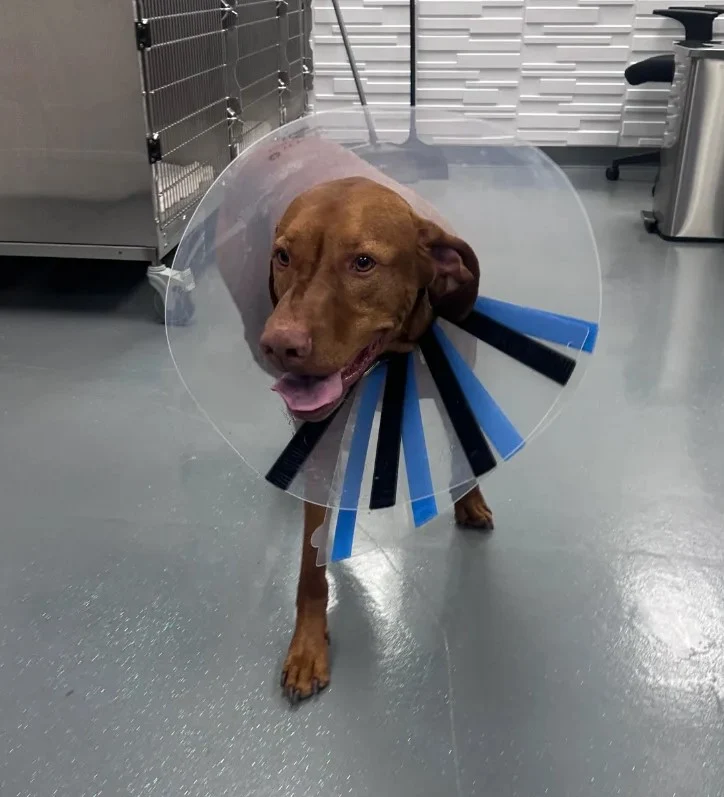
We Support Your Treatment Plan. We Don't Replace It.
Our role begins after you’ve determined a patient is medically stable for discharge.
Your treatment plan remains the treatment plan.
Our team follow your written discharge instructions and communicates with owners throughout the recovery period while referring medical concerns back to your vet practice or hospital whenever appropriate.
We provide:
- Medication administration
- Activity restriction compliance & crate-rest
- Elimination breaks
- Mobility assistance, sling & wheelchair support
- Feeding & hydration monitoring & reports
- Recovery observations
- Daily pet parent updates
- 24/7 onsite care
- Approved enrichment
We help extend your care plan beyond the clinic, supporting dogs and their families throughout recovery.
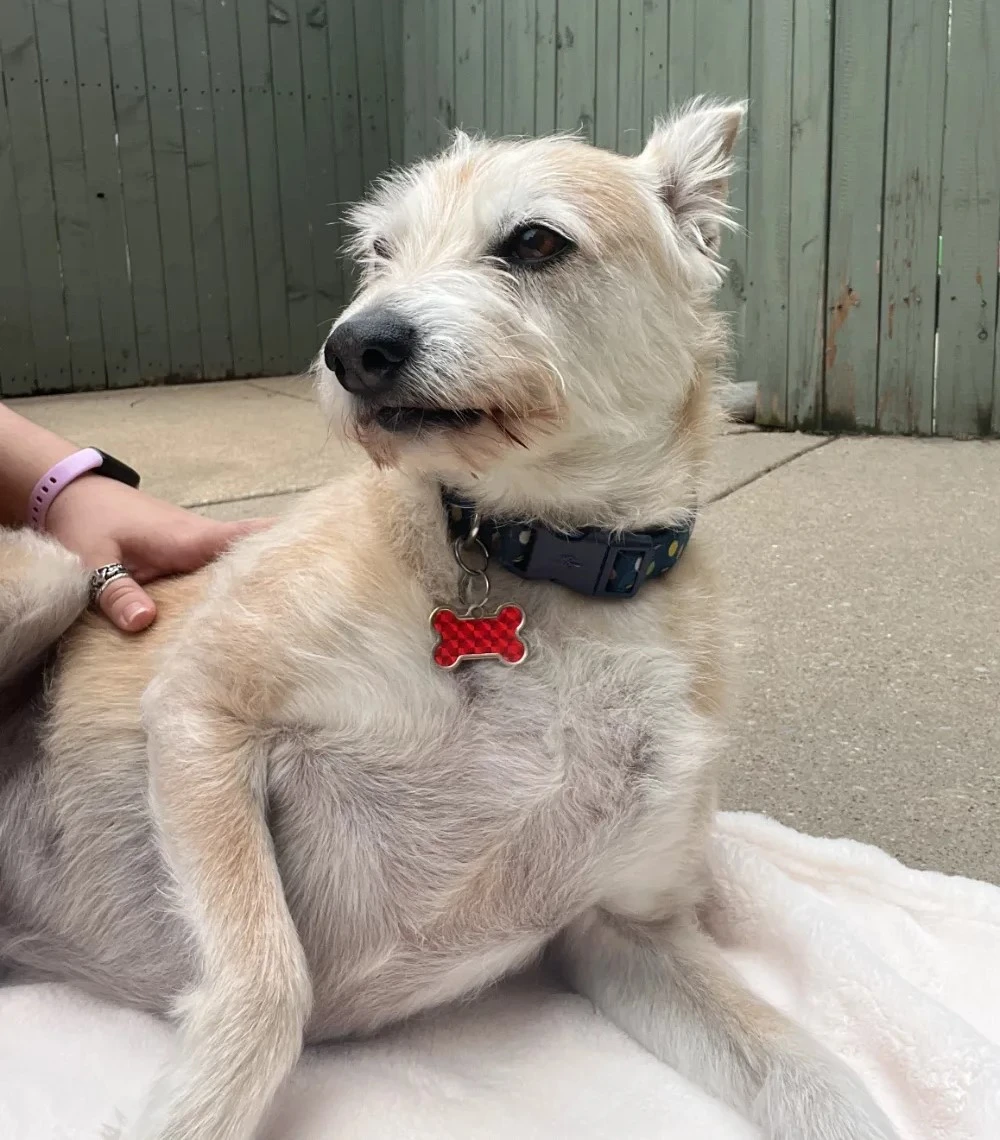
A Collaborative Approach to Recovery
Three Partners. One Goal. More Good Days.
Your Veterinary Team
You lead the medical care. We follow your treatment plan, reinforce your recommendations, and communicate with your team throughout the dog's stay.
Pet Parent
Families remain at the center of every decision. We help ease the challenges of recovery with regular updates, compassionate support, and the confidence that their dog is receiving attentive, personalized care.
ACC+
We offer 24/7 onsite care implementing prescribed recovery plans with transparent communication. We provide structured support between veterinary visits and lighten the load for pet parents caring for a dog in recovery or a medically complex pet.
Together, we create a seamless continuum of care that extends beyond the clinic—supporting better compliance, greater peace of mind, and more good days for every dog.
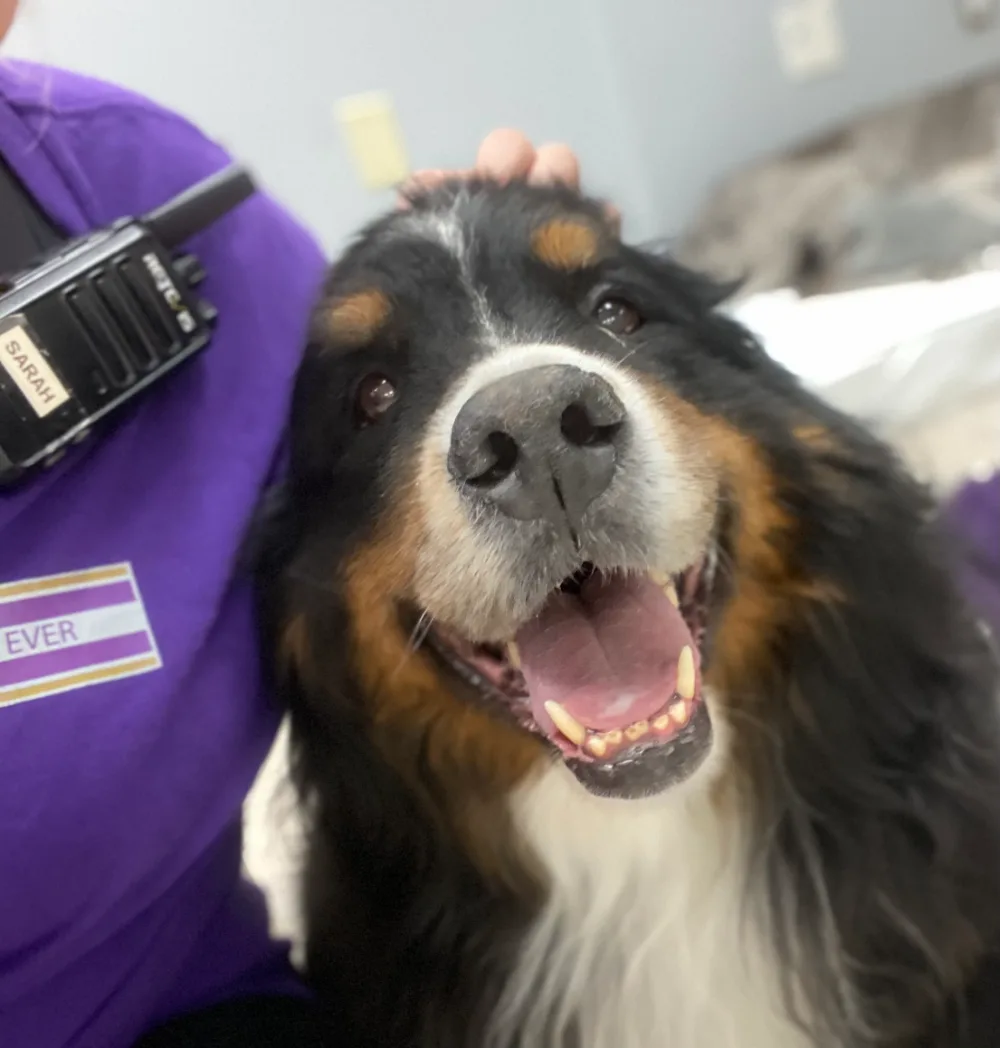
ACC+ is appropriate for patients who:
- Are recovering from orthopedic procedures (ACL, TPLO, etc.)
- Have sutures, wounds, or post-operative restrictions
- Are managing chronic but non-contagious conditions
- Require limited activity or monitored movement
- May benefit from early intervention observation
- Seizure patients
- Post spay/neuter
- Post-hospitalization monitoring
- Cancer recovery
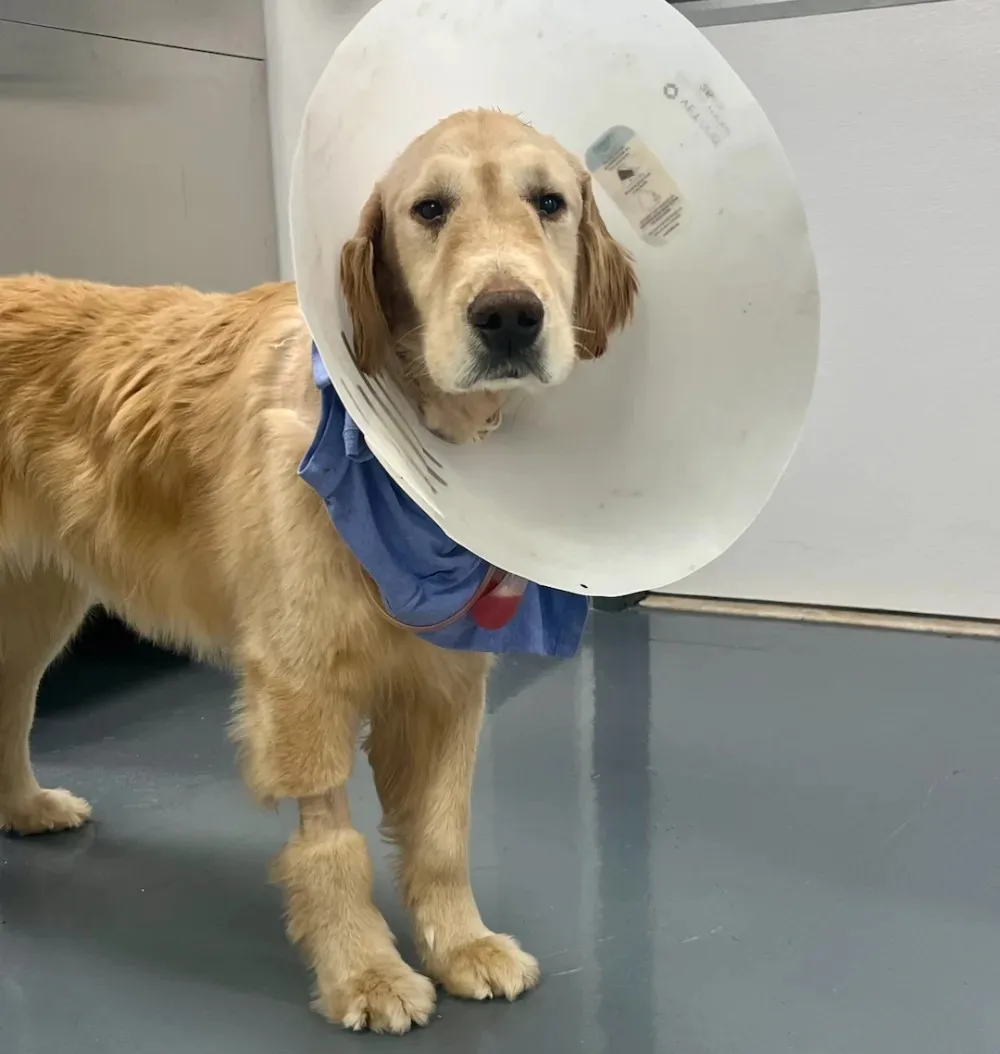
Why Veterinarians Refer to ACC+
Supporting better outcomes through consistency
Every day, veterinary teams discharge patients with detailed recovery instructions. While many owners are capable of managing recovery at home, others face legitimate challenges, including:
- Returning to work
- Difficulty enforcing crate rest
- Frequent medication schedules
- Mobility assistance
- Overnight observation concerns
- Anxiety about postoperative recovery
- Senior or medically complex dogs needing extra support
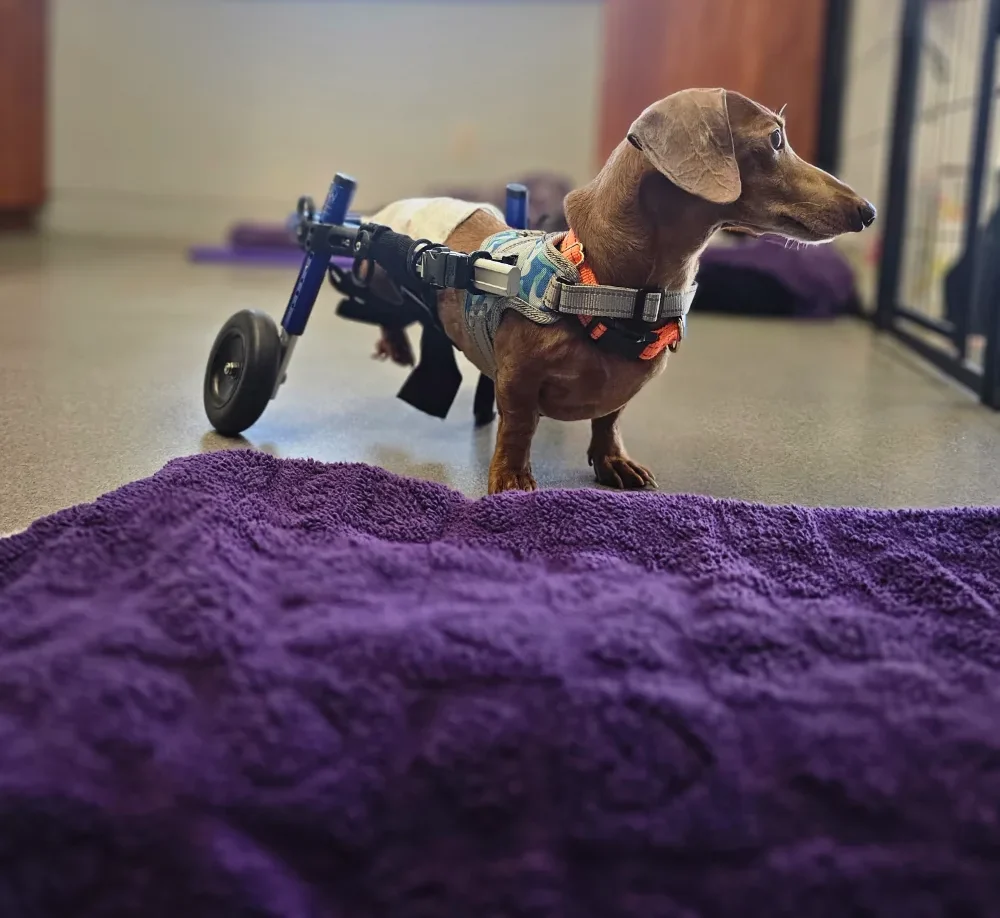
Communication
Clear, responsive, and collaborative
We ensure:
- Timely updates to pet parents
- Escalation when concerns arise
- Alignment with veterinary recommendations
ACC+ fills the space between medical treatment and traditional pet care—where many patients fall through the cracks.
Interested in partnering or referring patients?
Frequently Asked Questions
How is ACC Plus different from a veterinary hospital boarding a patient overnight?
ACC Plus is non-clinical, supportive care provided in a pet-care setting. We follow the written care and activity instructions established by the pet’s veterinarian and owner. We do not diagnose conditions, make medical decisions, change treatment plans, provide continuous clinical monitoring, or operate as a veterinary hospital.
A veterinary hospital, by contrast, can provide veterinary examinations, diagnostic testing, continuous medical monitoring, IV fluid therapy, oxygen support, emergency medications, treatment changes based on the patient’s condition, and immediate access to a veterinarian.
ACC Plus is intended for medically stable dogs who don’t require hospitalization but may need more supervision, structure, medication support, restricted activity, or assistance than their owners can reasonably provide at home.
Who manages complications if they arise?
Our team does not independently diagnose or treat complications. We monitor the dog’s condition, and if a change or concern arises, we follow the dog’s written care plan and emergency instructions. Depending on severity, we will provide basic first-aid support within the scope of our training, contact the designated veterinarian when appropriate, contact the owner or authorized emergency contact, and transport the dog to an emergency veterinary hospital when urgent care is required.
For a true medical emergency, we don’t delay treatment while trying to reach multiple parties.
What are your emergency protocols?
For a dog experiencing a serious or potentially life-threatening issue, we stabilize the dog to the extent reasonably possible, transport it to the designated emergency veterinary facility, and contact the pet parent immediately. Our internal emergency escalation process is activated, and we document the incident, observations, actions, timing, and communications.
ACC Plus should not be used in place of overnight veterinary hospitalization when a veterinarian believes the dog is not stable or requires continuous medical treatment.
Who provides owner updates, and how often?
Updates come through our Gingr report-card system, written by the team members caring for the dog. Frequency depends on the service, length of stay, and the dog’s care plan.
Owners receive routine updates during the stay, and we reach out directly if there’s a change in appetite or water consumption, vomiting or diarrhea, a medication concern, a behavioral or mobility change, a change in comfort level, or anything requiring veterinary guidance or signaling an emergency. For dogs with more complex needs, we can set the update schedule during intake.
What's the biggest challenge with this service?
Maintaining a clear boundary between supportive care and veterinary medical care. Owners understandably feel reassured knowing their dog is being watched, but supervision in a pet-care facility isn’t the same as hospitalization or continuous observation by veterinary professionals.
The program works when the dog is medically stable, the veterinarian gives clear and realistic instructions, the owner accurately communicates the dog’s condition, the prescribed care fits within our team’s training and capabilities, and everyone understands when the dog needs to be transferred to a veterinary facility.
A dog’s condition can also change quickly. One that looked like a good fit for ACC Plus at admission may later need a higher level of care.
What types of patients are typically the best fit?
The strongest candidates are medically stable dogs already released by their veterinarian who need structured support during recovery — for example, dogs recovering from orthopedic, ophthalmic, or soft-tissue surgery; stable neurological events or procedures; dental or oral procedures; spay/neuter; illnesses requiring rest and observation; mobility limitations; pain-management plans; or stable, well-managed chronic conditions.
ACC Plus can also help owners who can’t safely provide crate rest, mobility assistance, scheduled medications, controlled bathroom breaks, or close observation during the workday or overnight. Dogs in this program don’t engage in open play, and acceptance is decided case by case — a diagnosis alone doesn’t determine eligibility.
What species does the program serve?
Dogs only at this time.
Are there restrictions on medical conditions?
Yes. We evaluate every dog individually. Dogs must be medically stable and can’t require care that exceeds our non-clinical scope, staffing, training, equipment, or facility capabilities.
We may decline admission or require hospitalization for dogs needing:
- Continuous clinical monitoring, active IV fluids, or oxygen therapy
- Emergency medications requiring clinical judgment, or frequent reassessment
- Care for uncontrolled pain, uncontrolled seizures, or significant respiratory distress
- Active bleeding, or unstable cardiac or neurological conditions
- Complex wound management beyond our capabilities, or sterile clinical procedures
- A vet or vet tech immediately available, or isolation precautions we can’t safely accommodate
- Any care the treating veterinarian believes requires hospitalization
We also weigh contagious disease risk, mobility needs, handling tolerance, behavioral safety, and how comfortable the dog is likely to be in our environment.
Are there restrictions on medications?
Yes. We can administer owner- or veterinarian-provided medications when the medication is in its original labeled container, the prescription instructions are clear, it’s prescribed for that specific dog, the dose, route, and timing fall within our team’s training, the dog tolerates the administration method, and it doesn’t require ongoing clinical judgment or monitoring.
Depending on the dog and care plan, this may include oral, topical, eye, or ear medications. We reserve the right to decline any medication or procedure that presents an unacceptable clinical, handling, dosing, storage, or safety risk, and acceptance must be confirmed before the dog is admitted to ACC Plus.
What's included on report cards?
Depending on the care plan, report cards may include photos, general demeanor and comfort, meals offered and consumed, water intake, medication administration, bathroom activity, mobility and activity level, rest periods, assisted movement or bathroom breaks, behavior changes, and any observed symptoms like vomiting, diarrhea, or coughing. We also note incision or recovery observations we can make without offering a clinical assessment, and any communication with the owner or veterinarian.
Report cards document observable facts. They’re not veterinary medical records and don’t include diagnoses or medical conclusions — and they vary based on the dog’s needs.
Can owners view their pets remotely by camera?
We don’t currently offer ACC Plus as a live remote-camera service. Owners get report cards and direct communication from our team instead. Camera access in the future would depend on facility technology, privacy considerations, location, and policy.
Are veterinary assistants or registered veterinary technicians continuously with the pets?
No — ACC Plus doesn’t provide continuous bedside care or one-to-one clinical monitoring. Our team includes trained caretakers, veterinary assistants, and veterinary technicians. Dogs are housed in a lower-volume environment with checks at intervals based on their individual care plan, medication schedule, mobility needs, and observed condition.
The ratio isn’t 1:1 because ACC Plus isn’t a critical-care or hospitalization service — it’s built for medically stable dogs who’ve been cleared for discharge but still need structured support, medication administration, restricted activity, mobility assistance, or closer observation than owners may feel equipped to provide at home.
In short: when a dog is stable enough to go home, but the pet parent isn’t comfortable or set up to manage the prescribed recovery plan, ACC Plus can help fill that gap. All team members are trained for their assigned responsibilities, but ACC Plus should not be represented as continuous veterinary-technician supervision unless a credentialed technician is specifically scheduled and assigned to that patient.
Can a pet have an IV catheter in place if it's not being used?
This needs to be reviewed and approved before admission. An unused IV catheter carries risk — removal, chewing, contamination, inflammation, infection, bleeding, or loss of catheter integrity. As a general rule, we’d prefer the catheter be removed by the veterinary provider before discharge unless there’s a specific medical reason for it to stay in, with clear written instructions from the vet.
ACC Plus doesn’t administer IV fluids or use the catheter for treatment, and we may decline admission if it creates a risk we can’t safely manage.
What are your pre-admission policies?
Before admission, we generally need:
- A discussion with the owner about the dog’s condition and care needs
- Confirmation the dog is medically stable
- Written veterinary discharge and care instructions, and a complete medication list in original labeled containers
- Feeding, mobility/activity, and bathroom/elimination instructions
- Instructions for recovery equipment (cones, braces, slings, etc.)
- Treating veterinarian’s contact information, and owner/emergency-contact details
- Authorization for emergency treatment and transport
- Current vaccination records (subject to individually approved exceptions)
- Disclosure of behavioral, handling, bite, anxiety, seizure, and mobility history
We review each case to confirm the requested care is within our capabilities, and depending on complexity, we may also require a pre-admission evaluation, vet consultation, or additional documentation. Final acceptance depends on the dog’s condition at admission.
What are the admission and discharge hours?
ACC Plus admission and discharge times must be scheduled in advance with the resort.
Our standard appointment windows are:
Check-in: 6:30 a.m. to 8:45 a.m.
Check-out: 12:30 p.m. to 1:45 p.m.
Evening pick-up: 5:00 p.m. to 6:30 p.m. for an additional fee
Depending on the dog’s needs and the complexity of the care plan, additional flexibility may be available. Alternative times depend on the date, staffing, location, and services being provided and must be approved in advance. We avoid scheduling ACC Plus arrivals during high-volume periods because the admission process requires a complete and uninterrupted handoff. Pet parents should allow enough time for our team to:
- Review veterinary discharge instructions and the at-home care plan
- Verify medications, dosages, and administration schedules
- Confirm feeding, hydration, and bathroom requirements
- Inspect mobility aids, cones, slings, or other recovery equipment
- Document the dog’s condition and behavior at arrival
- Confirm that the dog can be safely handled by our team, including any known aggression, fear, reactivity, bite history, or handling restrictions
- Resolve any missing, conflicting, or unclear instructions before the pet parent leaves
The exact admission and discharge times should be confirmed directly with the Cockeysville resort when the reservation is booked.
What's the discharge process?
At discharge, the owner gets an update on the dog’s stay — observations, medication administration, meals, water intake, elimination, mobility, behavior, and any concerns. We return remaining medications, food and personal items, recovery equipment, the veterinary instructions supplied at admission, and any additional documentation generated during the stay.
We’ll flag anything the owner should discuss with their veterinarian, but we don’t provide a veterinary discharge exam or change the treatment plan.
What fees apply?
Standard ACC Plus pricing:
- ACC Plus Daycare: $100/day
- ACC Plus Boarding: $150/night
Please confirm the current fee schedule with the resort before quoting a specific price. Standard check-out is by 1:45 p.m. Later pick-up times may be available for an additional fee.
All ACC Plus reservations are subject to review and approval based on the dog’s complete care, medical, behavioral, and handling requirements.
Do you offer transportation?
No — but emergency transportation to a veterinary hospital is covered under our emergency protocols.