

A diabetes diagnosis can change your dog’s daily routine. With the right veterinary care, a consistent plan and the right support, it doesn’t have to define their quality of life.
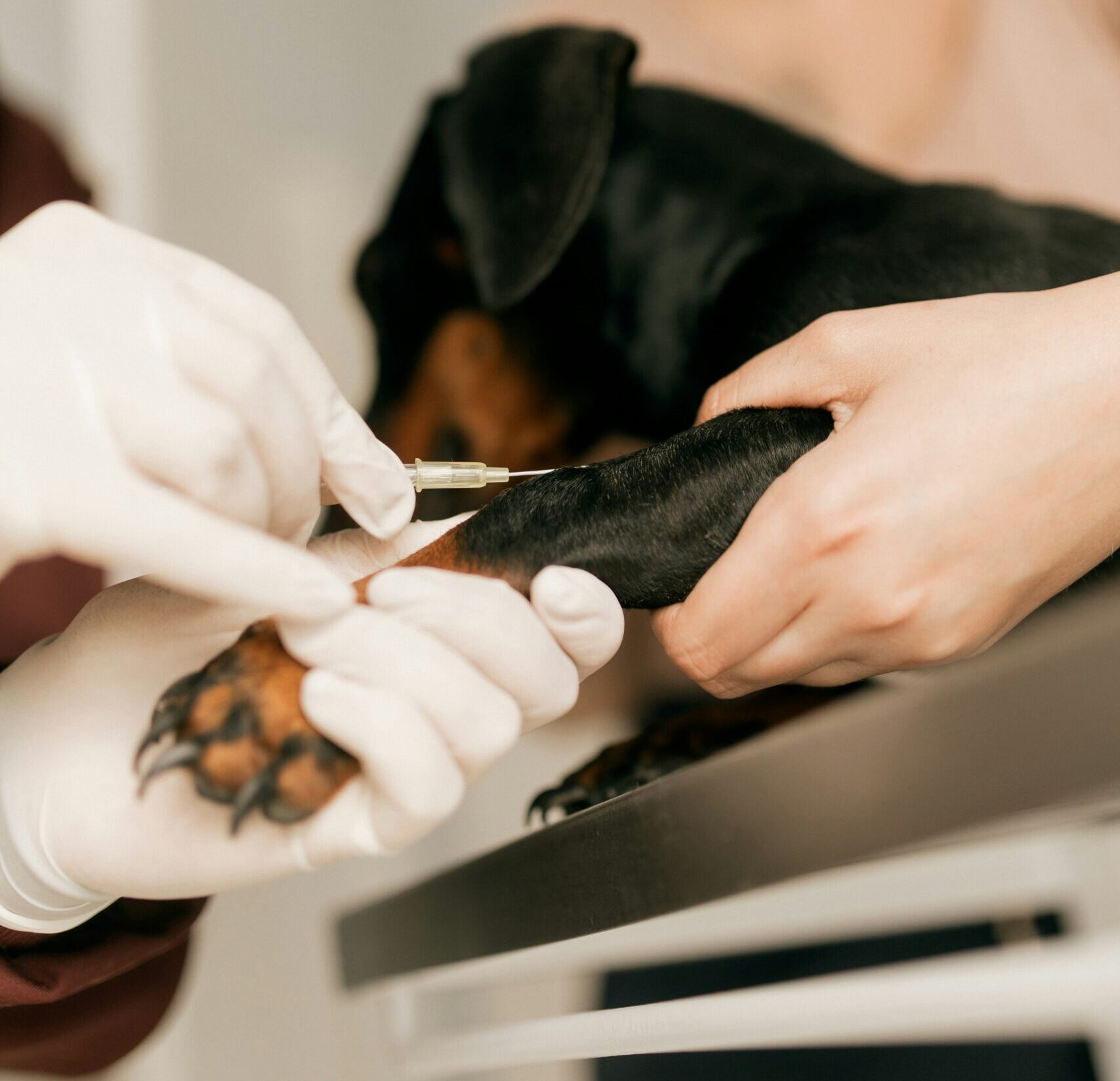
When your dog is diagnosed with diabetes, your veterinarian becomes an essential partner in managing their health. They’ll establish a treatment plan, explain how to administer medications, discuss feeding and monitoring, and schedule follow-up visits to evaluate how your dog is responding.
But once you leave the veterinary clinic, another part of diabetes management begins.
Meals need to be planned. Medications must be administered according to instructions. Changes in appetite, thirst, energy and bathroom habits need attention. And somewhere in between, you still have work, family responsibilities and everyday life to manage.
For many pet parents, the biggest challenge isn’t understanding that their dog needs ongoing care. It’s figuring out how to provide that care consistently.
That’s where a coordinated approach between veterinarians, pet parents and qualified caregivers can make a meaningful difference.
Understanding Diabetes in Dogs
Diabetes mellitus is a chronic condition that affects how a dog’s body regulates blood sugar, also called glucose.
Insulin is a hormone that helps the body’s cells use glucose for energy. Dogs with diabetes do not produce enough effective insulin to regulate their blood sugar properly.
Common signs of diabetes in dogs may include:
- Increased thirst
- More frequent urination
- Increased appetite
- Unexplained weight loss
- Changes in energy or activity
- Vision changes, including cataracts
These signs can also occur with other conditions, so a veterinarian must evaluate the dog and perform appropriate diagnostic testing.
The encouraging news is that many diabetic dogs can continue enjoying a good quality of life with appropriate treatment, monitoring and ongoing support.
The 2026 American Animal Hospital Association (AAHA) Diabetes Management Guidelines for Dogs emphasize individualized treatment, monitoring, communication and follow-up as important parts of managing canine diabetes.
The goal isn’t simply to manage a number on a glucose monitor. It’s to help dogs feel well, maintain a healthy body weight, reduce clinical signs and enjoy their daily lives.
What Does Daily Care for a Diabetic Dog Involve?
Every dog’s treatment plan is different. Your veterinarian will determine the appropriate medications, feeding recommendations, monitoring requirements and follow-up schedule.
Still, several aspects of daily care commonly require attention.
1. Following Prescribed Medication Routines
Dogs with diabetes require insulin treatment, with the specific medication, dose and administration schedule determined by their veterinarian.
Depending on the prescribed insulin and individual treatment plan, medication administration may need to be coordinated with meals or other daily activities.
Pet parents should understand:
- Which medication their dog has been prescribed
- How and when it should be administered
- How to store and handle it properly
- What to do if a dose is missed or a meal is refused
- When to contact the veterinary team
Never change an insulin dose or administration schedule without veterinary guidance. For families balancing work, travel or other responsibilities, planning for prescribed medication times is an important part of managing their dog’s care.
2. Maintaining Consistent Feeding and Hydration Routines
Nutrition plays an important role in diabetes management. Your veterinarian may recommend a specific diet, feeding schedule or nutritional adjustments based on your dog’s weight, medical history and response to treatment.
Consistency matters, but that doesn’t mean every diabetic dog needs exactly the same feeding schedule.
The important thing is to follow the plan established by your veterinary team and communicate changes that could affect your dog’s treatment.
Caregivers should also pay attention to how much a dog eats and drinks, particularly when those observations are part of the veterinarian’s monitoring instructions.
A dog refusing a meal, eating significantly less than usual or showing an unexpected change in thirst may need veterinary guidance.
3. Observing Changes in Behavior and Daily Habits
Dogs can’t tell us when something feels different.
That’s why everyday observations can be valuable.
Your veterinarian may ask you to track:
- Appetite and food consumption
- Water intake
- Urination and bathroom habits
- Energy and behavior
- Weight changes
- Medication administration
- Unusual symptoms or changes from your dog’s normal routine
These observations help provide context for veterinary follow-up and treatment decisions. For example, a dog drinking significantly more water than usual or experiencing changes in appetite may need further evaluation.
Observation is not the same as diagnosis. The caregiver’s role is to recognize and communicate changes so the veterinary team can determine what they mean.
4. Keeping Up With Veterinary Monitoring and Follow-Up
Managing diabetes is an ongoing process.
Your veterinarian may recommend blood glucose curves, continuous glucose monitoring, laboratory testing or other assessments to evaluate your dog’s response to treatment.
The 2026 AAHA guidelines emphasize considering clinical signs and overall well-being alongside glucose-monitoring information.
Veterinary follow-up is particularly important when treatment begins, medications change or previously controlled symptoms return.
Home observations and care records can help inform these conversations, but they do not replace clinical monitoring or veterinary evaluation.
When Your Dog’s Care Needs Don’t Fit Your Daily Schedule
A diabetes diagnosis can introduce new responsibilities at home, but it doesn’t necessarily change your work schedule, commute or family obligations.
You may have questions like:
What happens if I’m at work when my dog needs medication?
Who can help maintain their routine when I travel?
What if my dog has diabetes and other age-related care needs?
Is traditional dog daycare appropriate for a diabetic dog?
These are practical questions worth discussing with your veterinarian.
Some dogs with well-managed diabetes may do well at home with an established routine. Others may benefit from additional supervision or individualized support, depending on their health, treatment plan and circumstances.
Not every dog requires specialized care. But when a family needs assistance, it’s important to find a provider capable of following the veterinarian’s instructions and recognizing when concerns require veterinary attention.
Caring for a Senior Dog With Diabetes
Diabetes is often diagnosed in middle-aged and older dogs, and some diabetic dogs have other conditions that affect their daily care.
A senior dog may also experience mobility limitations, arthritis, vision changes or other health concerns.
For these dogs, managing diabetes may be just one part of a broader care plan.
Consider a senior dog who needs medication at prescribed times, assistance getting outside, a quieter environment and additional attention throughout the day.
Their needs may extend beyond what traditional dog daycare is designed to provide.
Individualized support can help maintain familiar routines while accommodating age-related changes and following veterinary recommendations.
And while aging may change how a dog moves through the world, it doesn’t take away their need for companionship, comfort and meaningful daily experiences.
How ACC+ Supports Dogs With Ongoing Care Needs
At Assisted Canine Care Plus (ACC+) by Best Friends Fur Ever, we understand that some dogs need more individualized attention than traditional daycare or boarding can provide.
ACC+ offers structured, nonclinical care for medically stable dogs recovering from surgery, managing chronic conditions or requiring additional daily support.
Working alongside veterinarians and pet parents, our team helps carry out approved care plans in a calm, supportive environment.
Depending on each dog’s needs, veterinary instructions and eligibility for the program, support may include:
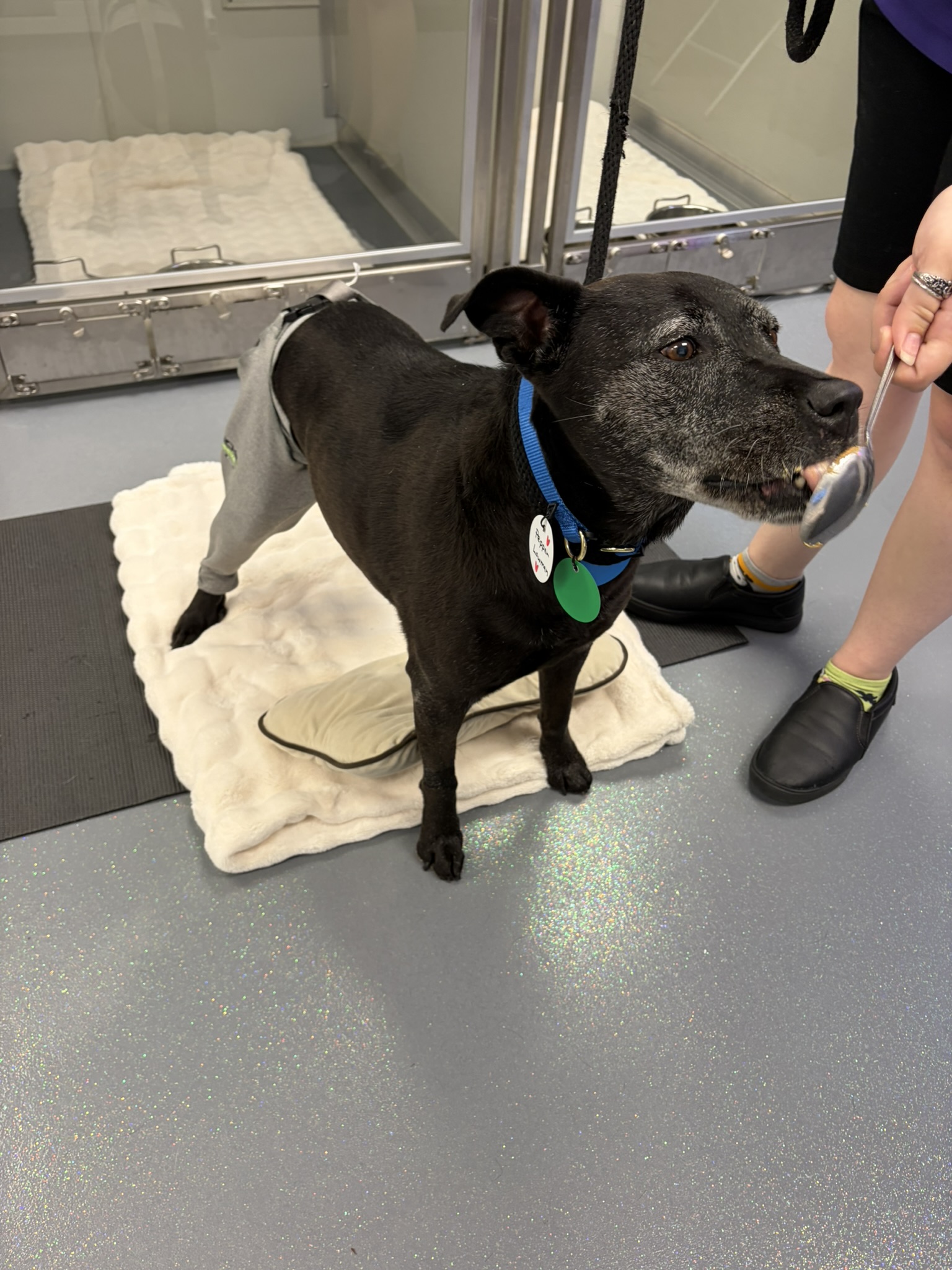
- Prescribed feeding and medication routines
- Individualized attention and supervision
- Observation of appetite, hydration and bathroom habits
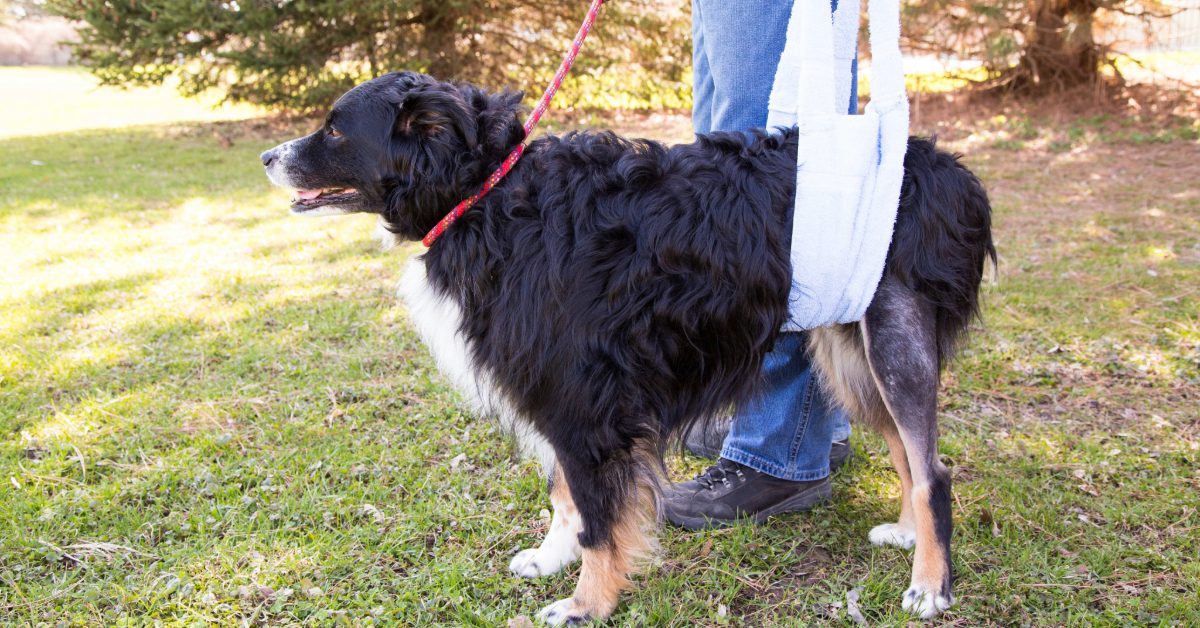
- Assistance with mobility and daily activities
- Rest and appropriate enrichment
- Documentation and daily updates
- Communication with pet parents and veterinary teams when concerns arise
For dogs with diabetes, we review the individual care plan to determine whether our team can safely accommodate the prescribed needs, including any medication administration requirements.
ACC+ is not a veterinary hospital and does not replace medical treatment, veterinary monitoring or emergency care. Dogs must be medically stable, and acceptance is determined individually based on their needs and our program’s capabilities.
Our goal is to support the care your veterinarian has established while helping families manage the responsibilities that come with it.
What Should You Look for in a Care Provider for a Diabetic Dog?
Not every dog-care facility is equipped to support pets with chronic medical conditions.
Before choosing a caregiver, ask:
- Can you follow my dog’s written veterinary care plan? Make sure the provider understands the instructions and can accommodate the required schedule.
- Are staff trained and authorized to administer my dog’s prescribed medications? Ask specifically about the medication, administration method and any limitations.
- How do you document meals, medications and changes in behavior? Clear records can help pet parents communicate with their veterinary team.
- What happens if my dog refuses food or shows unusual symptoms? The provider should have an established process for contacting the pet parent and obtaining veterinary guidance.
- How will you communicate with my veterinarian? Understand how information is shared and whether appropriate authorizations are required.
- Is the environment appropriate for my dog’s needs? Consider activity levels, supervision, mobility accommodations and whether your dog needs a quieter setting.
- What conditions would require veterinary care instead of continued caregiving support? A responsible provider should clearly explain the limits of its services.
Your veterinarian can help you determine what level of care is appropriate for your dog.
For Veterinary Professionals
Extend Your Care Plan Beyond the Clinic
Learn how ACC+ works alongside veterinary teams to provide individualized, nonclinical support for eligible dogs with ongoing care needs.
Explore Veterinary Partnerships
For Pet Parents
Does Your Dog Need Additional Support?
If your dog is managing diabetes or another chronic condition, our team can discuss their needs and help determine whether ACC+ may be an appropriate care option.