
Your dog has been diagnosed with a torn ACL or a cranial cruciate ligament (CCL) injury, and your veterinarian has recommended talking with a veterinary surgeon about TPLO. After the initial concern about your dog, another question may come quickly: How much is this going to cost?
TPLO surgery can be a significant expense. And for pet parents trying to plan, the answer isn’t always as simple as finding the price of the surgery itself.
The total cost can depend on your dog, where the procedure is performed, what is included in the surgical estimate, and what your dog needs before and after surgery.
For Maryland pet parents, here’s what to consider as you begin planning.
How Much Does TPLO Surgery Cost in Maryland?
There is no single price for TPLO surgery.
Published estimates for TPLO in the Baltimore area commonly place surgery in the several-thousand-dollar range, with one current Baltimore-area estimate citing approximately $3,500 to $6,500. National estimates can extend above or below that range. But these numbers should be used for planning, not as a quote for your dog.
Your actual cost may vary based on factors such as:
- Your dog’s size
- The complexity of the injury
- The veterinary hospital or specialty practice
- The surgeon
- Pre-surgical testing
- Imaging
- Anesthesia
- Medications
- Hospitalization
- Follow-up appointments
- Follow-up X-rays
- Rehabilitation or physical therapy
- Other individual medical needs
The best way to understand your expected cost is to request a written estimate from the veterinary practice performing your dog’s procedure.
What Is Usually Included in a TPLO Estimate?
This is an important question because two estimates that appear very different at first may not actually include the same things.
Depending on the veterinary practice, your estimate may include some combination of:
Pre-Surgical Evaluation
Your dog may need a surgical consultation, physical examination, bloodwork or imaging before the procedure.
The TPLO Procedure
The surgical portion of the estimate may include the procedure itself, anesthesia, surgical monitoring and the plate and screws used to stabilize the bone.
Hospital Care
Depending on the veterinary team’s protocol and your dog’s needs, the estimate may include hospitalization or observation following surgery.
Medications
Your dog may go home with veterinarian-prescribed medications for pain, inflammation or other needs.
Follow-Up Care
Your dog’s recovery may include recheck appointments and follow-up imaging so the veterinary team can evaluate healing and determine when activity can safely increase.
Rehabilitation
Some dogs may have veterinarian-prescribed rehabilitation or physical therapy as part of their recovery plan.
Before comparing estimates, ask each provider:
What exactly is included in this number and what could be billed separately?
That question may give you a much clearer comparison than looking at the bottom-line price alone.
Don’t Forget to Plan for Recovery Costs
The surgery itself may be the largest expense, but it isn’t necessarily the only cost associated with an ACL/CCL injury.
After TPLO, dogs typically have a period of veterinarian-directed activity restriction and gradually increasing activity as healing progresses.
Depending on your dog’s individual recovery plan, additional expenses could include:
- Prescription medications
- Follow-up veterinary appointments
- Follow-up imaging
- Rehabilitation or physical therapy
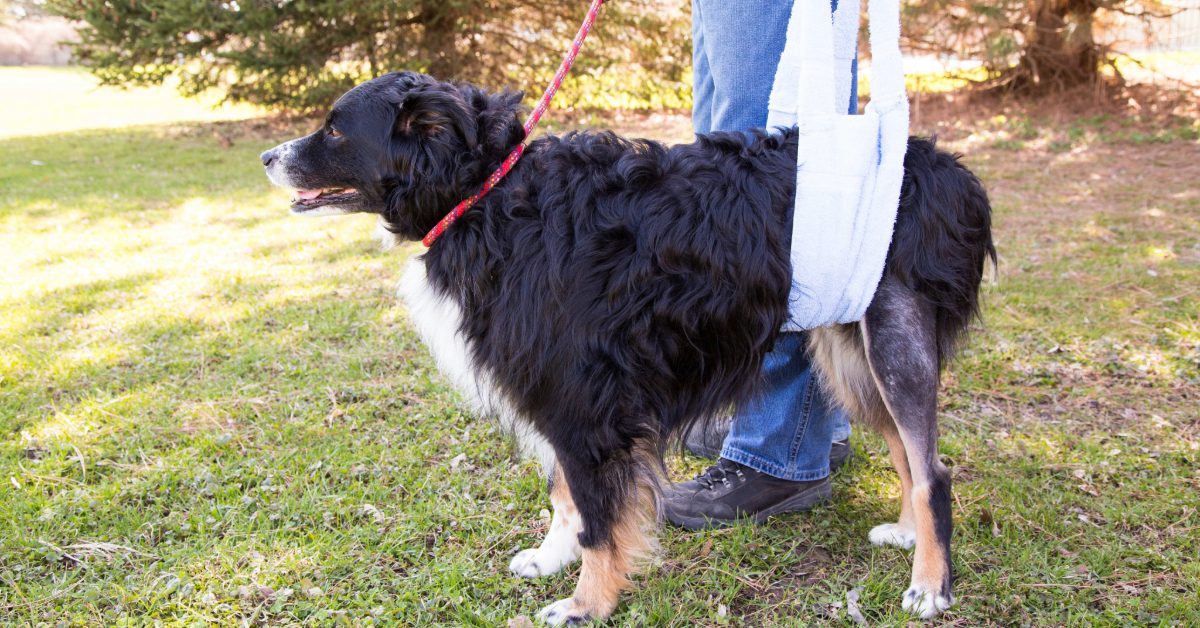
- A support harness or sling
- Non-slip rugs or runners
- Gates or changes to your dog’s recovery space
- Transportation assistance
- Additional pet-care support
And there is another cost pet parents sometimes don’t anticipate: Who will care for your dog while you work?
If your dog needs controlled bathroom breaks, medication, mobility assistance or supervision while activity is restricted, your normal pet-care routine may need to change temporarily.
A dog recovering from TPLO may not yet be appropriate for traditional group daycare, even if they are otherwise medically stable.
Thinking about those logistics before surgery can help you develop a more realistic recovery budget.
Does Pet Insurance Cover TPLO Surgery?
It may. Pet insurance policies vary considerably, so coverage depends on the specific policy, when it became effective and whether the CCL condition is eligible for coverage.
This is particularly important with cruciate ligament injuries because some pet insurance policies have specific orthopedic or cruciate-ligament waiting periods.
Pre-existing-condition rules can also affect coverage. If your dog’s CCL injury or related symptoms began before coverage became effective or during an applicable waiting period, expenses associated with the condition may not be covered.
Some policies also have specific provisions regarding bilateral conditions, conditions that can affect both sides of the body. Because CCL disease can occur in either knee, pet parents should understand how their individual policy handles a future problem involving the opposite knee.
If you already have pet insurance, contact your insurer before surgery and ask:
- Is my dog’s CCL injury covered?
- Has the applicable waiting period been satisfied?
- Does my policy have specific orthopedic or cruciate-ligament provisions?
- What is my deductible?
- What percentage of eligible expenses will be reimbursed?
- Is there an annual or per-condition coverage limit?
- Are consultation and diagnostic costs covered?
- Are prescription medications covered?
- Are follow-up X-rays covered?
- Is rehabilitation covered?
- Does the policy have provisions involving the opposite knee?
- Is preauthorization or pre-certification available?
If possible, provide the insurer with your veterinary estimate and ask for clarification about which expenses may be eligible for reimbursement.
Can I Buy Pet Insurance After My Dog Is Diagnosed With a Torn ACL?
Pet insurance generally isn’t something you can purchase after an ACL/CCL diagnosis and expect to cover that existing injury.
Insurance policies typically exclude pre-existing conditions, and orthopedic conditions may have additional waiting periods.
That doesn’t necessarily mean pet insurance has no value for your dog’s future healthcare. But pet parents should carefully review policy terms rather than purchasing a new policy under the assumption that an already-diagnosed CCL injury or upcoming TPLO procedure will be covered.
What If I Don’t Have Pet Insurance?
If you don’t have insurance or your dog’s ACL/CCL treatment isn’t covered ask the veterinary practice what payment options it accepts.
Some veterinary providers participate in third-party healthcare financing or payment programs such as CareCredit or Scratchpay. Availability varies by provider, and approval, interest rates, terms and fees vary as well.
Before using any financing option, make sure you understand:
- The amount being financed
- The interest rate or APR
- The repayment period
- Required minimum payments
- Whether a promotional financing period applies
- What happens if the balance isn’t paid within that period
- Any fees or other financing terms
Your veterinary practice may also be able to explain the payment options it accepts before your dog’s procedure is scheduled.
Questions to Ask When You Receive a TPLO Estimate
When you’re looking at a several-thousand-dollar veterinary estimate, it is completely reasonable to ask questions.
Consider asking:
- What is included in this estimate?
- Are the surgical consultation and pre-operative testing included?
- Are anesthesia and surgical implants included?
- Is overnight hospitalization included?
- Are take-home medications included?
- Are follow-up appointments included?
- Are follow-up X-rays included?
- Should I budget separately for rehabilitation?
- Are there circumstances that could increase the final cost?
- What deposit is required?
- When is payment due?
- Which financing options does the practice accept?
Having these answers can help you understand the total expected cost of care, not just the price attached to the procedure.
Plan for the Recovery, Not Just the Surgery
When pet parents hear “TPLO,” understandably, much of the attention goes to the procedure.
But surgery is one part of a longer ACL/CCL journey.
You’ll also need to think about how your dog will safely get outside, who will administer medications, how you’ll prevent running and jumping, whether your home needs temporary changes and who will care for your dog when you can’t be there.
Those aren’t reasons to panic.
They’re reasons to plan.
If you’re just beginning this journey, our Dog ACL & CCL Tears: A Complete Guide for Pet Parents walks through ACL/CCL injuries, treatment options, TPLO surgery, activity restrictions and recovery.
Planning for Care After TPLO Surgery
Your veterinary surgeon determines your dog’s medical treatment and recovery restrictions.
Then comes the everyday work of carrying out that plan.
Assisted Canine Care Plus (ACC+) in Cockeysville, Maryland provides structured daytime and overnight recovery care for eligible, medically stable dogs following veterinarian-directed care plans.
For dogs recovering from TPLO or another orthopedic procedure, that may include support with veterinarian-directed activity restrictions, scheduled medications, controlled bathroom breaks, mobility assistance and an appropriate recovery routine.
ACC+ does not replace your veterinarian or veterinary surgeon and does not determine your dog’s treatment plan.
Your veterinary team sets the boundaries. We help build your dog’s day inside them.