
Restricted activity after dog surgery means intentionally limiting your dog’s physical movement so their body has time to heal. Depending on your veterinarian’s instructions, that may mean short leash walks for bathroom breaks, no running or jumping, avoiding stairs and furniture, no rough play with other pets, and resting in a crate or small, safe area when your dog can’t be supervised.
It sounds simple enough.
Then your dog starts feeling better.
Suddenly they’re ready to run to the door, jump onto the couch, chase a squirrel, or convince you that they are obviously completely recovered.
Unfortunately, feeling better and being fully healed aren’t always the same thing.
Understanding what “restricted activity” actually means and how to manage it at home can make the recovery period safer and a little less stressful for everyone.
Why Do Dogs Need Restricted Activity After Surgery?
After surgery, your dog’s body needs time to heal. Too much activity can put unnecessary strain on an incision, internal sutures, healing tissue, bones, or joints.
According to VCA Animal Hospitals, veterinarians commonly prescribe exercise restriction following surgery specifically to give the body time to heal.
The amount of restriction depends on the procedure. A dog recovering from a routine soft-tissue procedure may have a very different recovery timeline than a dog recovering from ACL/CCL or another orthopedic surgery.
That’s why your veterinarian’s individual discharge instructions should always take priority over general advice you find online.
What Activities Are Usually Restricted After Dog Surgery?
Your veterinarian will tell you exactly what your dog can and cannot do. However, common post-surgical restrictions may include:
- No running
- No jumping on or off furniture
- No rough play or wrestling
- No playing with other dogs
- No off-leash activity
- Limited or no stairs
- No long walks
- No fetch or other high-energy games
- No unrestricted backyard time
- Crate or small-room confinement when necessary
The ASPCA’s after-surgery guidance recommends restricting running, jumping, playing, long walks, and jumping on and off furniture during recovery. It also recommends using an appropriately sized crate, kennel, carrier, or small room when a pet can’t be supervised.
VCA similarly recommends short, controlled leash walks when permitted and avoiding strenuous activity that could put additional strain on a surgical site.
The key word is controlled.
Even something as routine as going outside to use the bathroom may need to look different during recovery.
Can My Dog Go for Walks After Surgery?
Maybe, but probably not their normal walk.
Many dogs are limited to short, controlled leash walks, particularly during the early stages of recovery. In some cases, those outings may initially be just long enough for your dog to go to the bathroom.
Don’t assume that because your dog wants to walk farther, they’re ready to.
How much walking is appropriate depends heavily on the procedure and stage of healing. Some orthopedic procedures can require significantly longer periods of restricted activity than routine surgeries.
Ask your veterinarian:
“How long can my dog’s walks be, and when can we begin increasing them?”
That gives you a much clearer guideline than simply being told to “take it easy.”
Can My Dog Use the Stairs After Surgery?
Stairs are another activity your veterinarian may restrict.
Going up and down stairs requires strength, coordination, and joint movement—and an excited dog can turn a controlled trip upstairs into a sprint surprisingly quickly.
Depending on your dog’s surgery, your veterinarian may recommend keeping them on one floor temporarily. Small dogs may sometimes be carried when appropriate, while larger dogs or dogs with mobility limitations may require another strategy.
Don’t improvise mobility assistance after an orthopedic or significant procedure. Ask your veterinary team how they want your dog to navigate unavoidable stairs.
What About Jumping on the Couch or Bed?
That favorite spot on the couch can become surprisingly problematic during recovery.
Jumping up requires exertion. Jumping down creates impact. Both may conflict with your dog’s restrictions.
Consider temporarily blocking access to furniture or creating a comfortable recovery area at floor level.
And remember: just because you’re sitting beside your dog doesn’t necessarily mean they’ll stay put.
One doorbell can change everything.
Can My Dog Play With Other Dogs During Recovery?
In many cases, play with other dogs will need to wait.
Even gentle play can escalate quickly into chasing, wrestling, jumping, or sudden movements.
If you have multiple pets at home, you may need to temporarily separate your recovering dog, particularly during high-energy moments like feeding, visitors arriving, or going outside.
This is also one reason traditional dog daycare may not be appropriate during surgical recovery. A dog who needs controlled activity and individualized care has very different needs from a healthy dog who’s ready for group play.
Read more in our guide, Post-Surgery Dog Care in Cockeysville, MD: A Safer Recovery Option Beyond Daycare.
My Dog Feels Better. Do We Still Need to Restrict Activity?
Yes, unless your veterinarian has changed the recovery plan.
This can be one of the hardest parts of post-surgical recovery.
Your dog may regain energy before their body has finished healing. From their perspective, feeling better means it’s time to get back to normal.
But the recovery timeline isn’t based solely on how energetic your dog seems.
Keep following your veterinarian’s instructions until your dog is cleared for additional activity. Don’t shorten the restriction period simply because your dog appears ready.
How Do I Keep an Active Dog Calm During Recovery?
For many pet parents, this is the real challenge.
Your dog is bored. You’re feeling guilty. And there’s only so much sleeping anyone wants to do.
Physical restriction doesn’t mean your dog can’t receive attention or appropriate mental stimulation.
Depending on your dog’s condition and veterinary instructions, recovery-friendly activities might include:
- Calm one-on-one attention
- Appropriate food puzzles
- Licking or chewing activities
- Simple scent games
- Calm training that doesn’t require physical exertion
- Quiet time near family members
- Other veterinarian-approved enrichment
The specific activity matters less than the principle:
Mental enrichment should never undermine physical restrictions.
We’ll explore this in greater detail in our guide, How to Keep Your Dog Mentally Stimulated During Surgery Recovery.
What Happens When I Can’t Supervise My Dog?
You can’t watch your dog every second of the day.
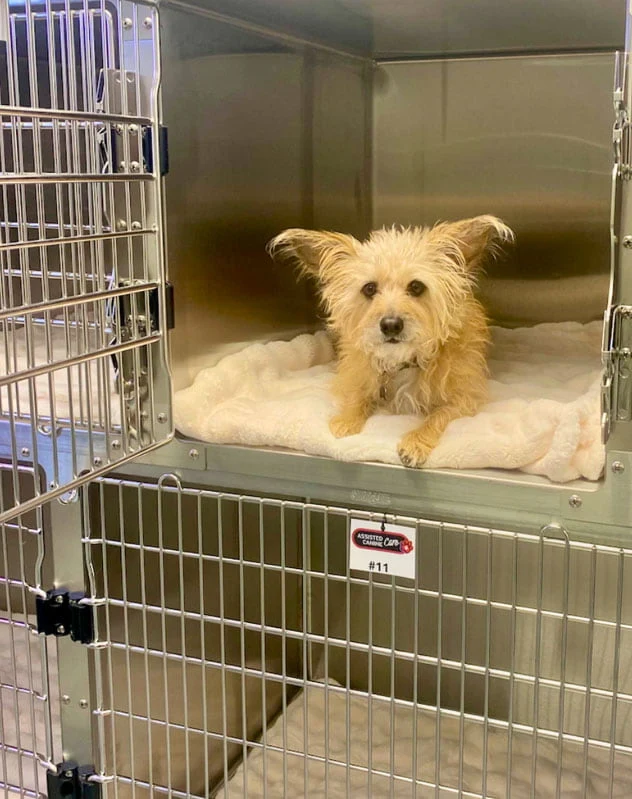
When your dog can’t be directly supervised, your veterinarian may recommend a crate, pen, kennel, or small room to limit movement.
This becomes especially important if your dog is likely to jump on furniture, use stairs, play with another pet, or become overly active when you’re not watching.
If you’re also wondering whether your recovering dog can safely spend several hours home alone, read Can I Leave My Dog Alone After Surgery? What Pet Parents Should Consider.
The answer depends on more than activity restriction. Medication schedules, bathroom assistance, mobility, incision monitoring, and your dog’s behavior may all affect how much supervision they need.
What If I Have to Go Back to Work?
This is where “restricted activity” can become a real-life logistical problem.
Your veterinarian tells you:
Keep them quiet. Limit movement. Give medication at noon. Short leash walks only. No stairs. No other dogs.
And your workday says:
See you in eight hours.
A recovering dog may not need veterinary hospitalization, but that doesn’t necessarily mean they’re ready to spend the entire day alone or return to regular daycare.
That’s the gap Assisted Canine Care Plus (ACC+) was designed to help fill.
ACC+ in Cockeysville, Maryland provides specialized recovery and support for medically stable dogs who need more than traditional daycare or boarding but don’t require hospitalization.
Depending on the dog’s individual needs and veterinary instructions, ACC+ support may include:
- Controlled rest and movement
- Controlled bathroom breaks
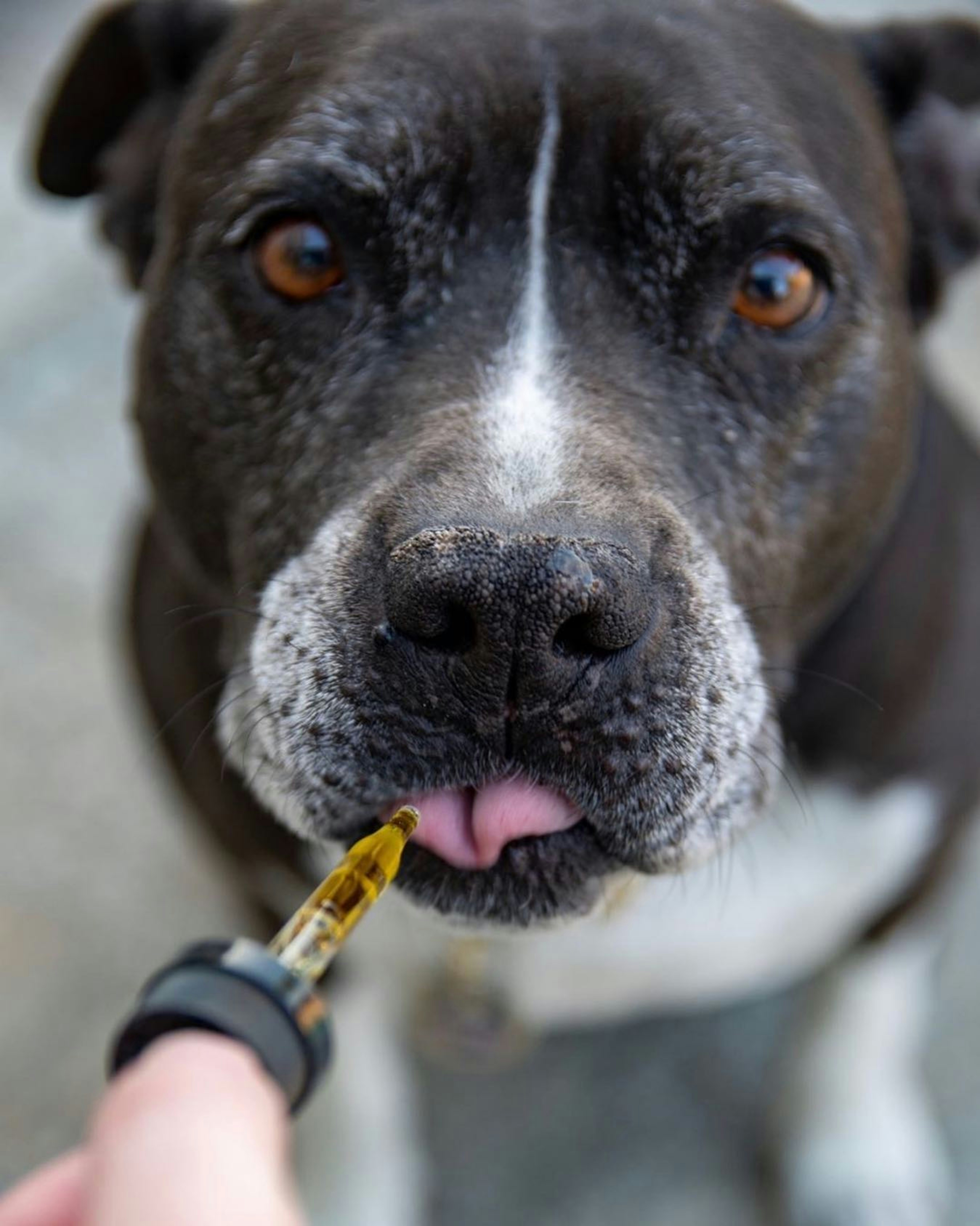
- Medication administration
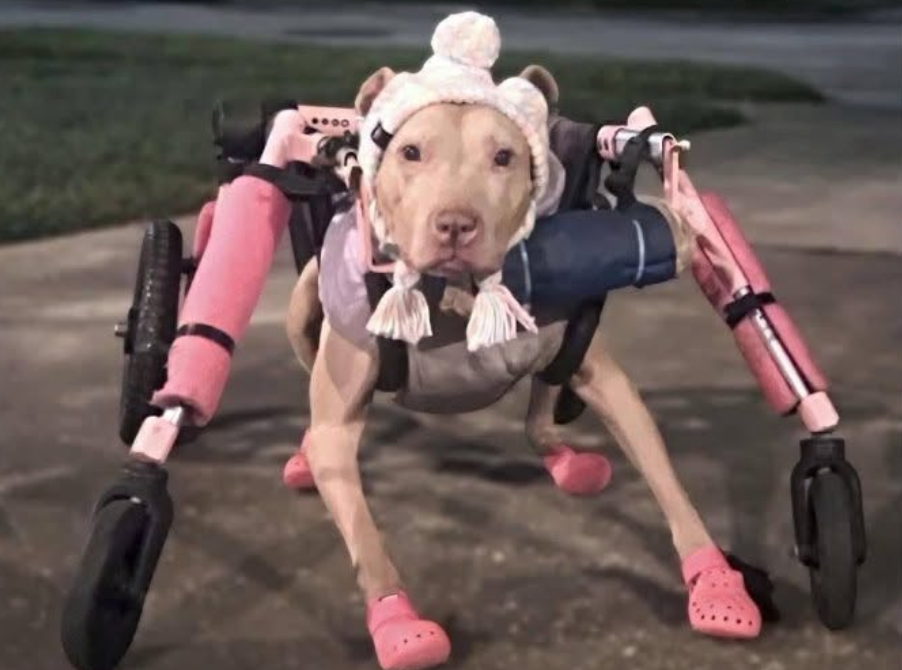
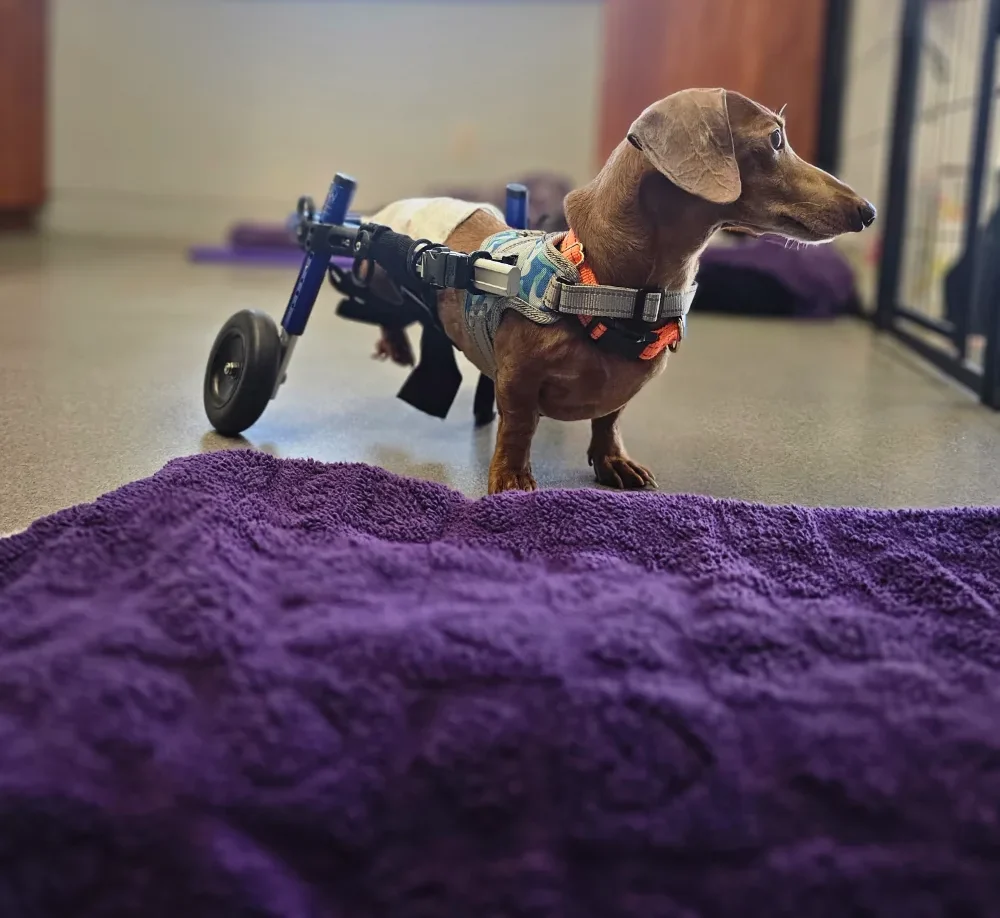
- Mobility assistance
- Meals and hydration
- Gentle enrichment when appropriate
- One-on-one attention
- Monitoring and comfort checks
Our role isn’t to change your veterinarian’s restrictions.
It’s to help carry them forward.
Learn more about eligibility, medication support, monitoring, overnight care, and how the program works in our ACC+ Frequently Asked Questions.
How Long Does Restricted Activity Last After Dog Surgery?
There is no single timeline that applies to every dog or procedure.
For many surgeries, activity restrictions may last a week or two. Other procedures—particularly orthopedic surgeries—can require significantly longer recovery periods.
Your veterinarian should tell you:
- What activities are currently allowed
- What activities aren’t allowed
- How long restrictions should continue
- When activity can gradually increase
- Whether a follow-up exam is required before restrictions change
Don’t use another dog’s recovery timeline as the benchmark for yours.
Your dog’s veterinarian knows the procedure performed and should determine when it’s safe to move to the next stage of recovery.
What If My Dog Accidentally Runs or Jumps?
It happens. A door opens. A squirrel appears. Someone rings the bell.
If your dog accidentally does more activity than their recovery plan allows, don’t automatically assume they’ve damaged something but don’t ignore it either.
VCA recommends contacting your veterinarian after unintended excessive activity so the veterinary team can determine whether observation or a recheck is appropriate.
This is particularly important if you notice a change in mobility, discomfort, bleeding, swelling, an incision change, or another concerning symptom.
Recovery Is More Than Rest
“Restricted activity” isn’t simply telling your dog to lie down for a few days.
It’s creating an environment where they can safely follow the recovery plan established by their veterinary team—even when they’re starting to feel like their old self again.
That can mean controlling movement, managing the home environment, providing appropriate enrichment, separating pets, supervising bathroom breaks, and sometimes finding additional support when you can’t be there.
For a bigger picture of what happens after your dog leaves the veterinary clinic, read our cornerstone guide:
Dog Recovery Care in Maryland: What Happens After the Vet Visit?
And if your dog needs structured support during recovery, learn more about ACC+ and review our Frequently Asked Questions to see whether the program may be a fit.
More Dog Recovery Resources
Recovery questions rarely happen in isolation. Continue exploring our growing dog recovery resource library:
- Dog Recovery Care in Maryland: What Happens After the Vet Visit? — Our complete guide to navigating dog recovery after a veterinary procedure.
- Can I Leave My Dog Alone After Surgery? What Pet Parents Should Consider — What to consider before returning to work or leaving your recovering dog unsupervised.
- Post-Surgery Dog Care in Cockeysville, MD: A Safer Recovery Option Beyond Daycare — Why a recovering dog’s needs can be different from traditional daycare.
- ACC+ Frequently Asked Questions — Learn about eligibility, medications, monitoring, overnight care, and how ACC+ works.