
For veterinary teams, managing canine diabetes doesn’t end with diagnosis and treatment. Helping pet parents maintain consistent care between appointments is just as important.
A dog diagnosed with diabetes may leave the veterinary clinic with a treatment plan, medication instructions, feeding recommendations, and a follow-up schedule. But once that dog returns home, responsibility for carrying out much of that plan shifts to the pet parent.
For some families, the transition is manageable. For others, balancing medication schedules, monitoring, work commitments, and other responsibilities can be challenging, particularly when their dog has additional health or mobility needs.
Veterinary teams understand that successful diabetes management depends on more than prescribing the right treatment. It also depends on whether families can consistently follow the plan in everyday life.
When Veterinary Instructions Meet Everyday Life
The 2026 American Animal Hospital Association (AAHA) Diabetes Management Guidelines for Dogs emphasize individualized treatment, ongoing monitoring and communication with pet owners.
While veterinarians establish and oversee treatment, pet parents are responsible for many aspects of daily care, including prescribed medication schedules, consistent feeding routines and observing changes in their dog’s condition.
Consider a pet parent whose dog requires medication at specific times, but whose work schedule includes a long commute. Or a family caring for a senior diabetic dog who also needs mobility assistance and more frequent bathroom breaks.
These situations aren’t necessarily about a lack of understanding or commitment. They reflect the practical realities of managing a chronic condition alongside everyday responsibilities.
For veterinary teams, identifying potential challenges early can help families prepare and determine whether additional caregiving support may be appropriate.
For more information about daily diabetes management, explore our cornerstone resource: Caring for a Dog With Diabetes: Daily Management, Monitoring and Support Beyond the Vet Visit.
The Importance of Consistency and Communication
Managing diabetes requires coordination between veterinary teams, pet parents and, when applicable, additional caregivers. Clear instructions and consistent documentation help everyone understand the dog’s care plan and recognize changes that may require veterinary attention.
Depending on the veterinarian’s recommendations, daily observations may include:
- Food and water intake
- Medication administration
- Bathroom habits
- Energy and behavioral changes
- Other observations relevant to the dog’s treatment plan
These records can provide useful context during follow-up appointments.
When additional caregivers are involved, clearly defined responsibilities and communication procedures become especially important. Supportive caregivers should follow authorized instructions, document relevant observations and communicate concerns promptly. Clinical interpretation, medication adjustments and treatment decisions remain the responsibility of the veterinary team.
When Additional Caregiving Support Makes Sense
Not every diabetic dog requires specialized care outside the home. Many families successfully manage their dog’s condition with veterinary guidance and an established routine.
However, additional support may be beneficial when:
- Work schedules interfere with care routines: Pet parents may need assistance maintaining prescribed feeding or medication schedules.
- Multiple conditions require additional attention: Senior dogs may also have mobility limitations, vision changes or other chronic health concerns.
- Travel or extended absences create caregiving gaps: Families may need a provider equipped to accommodate individualized care requirements.
- Traditional daycare isn’t appropriate: Some dogs need a quieter environment, controlled activity or closer observation.
For veterinary teams, discussing these circumstances can help identify whether a family would benefit from additional resources.
The goal isn’t to replace veterinary care or the pet parent’s role. It’s to help maintain continuity when daily caregiving responsibilities become difficult to manage alone.
How ACC+ Bridges the Gap
Assisted Canine Care Plus (ACC+) by Best Friends Fur Ever was created to support dogs whose needs fall between veterinary treatment and traditional daycare or boarding.
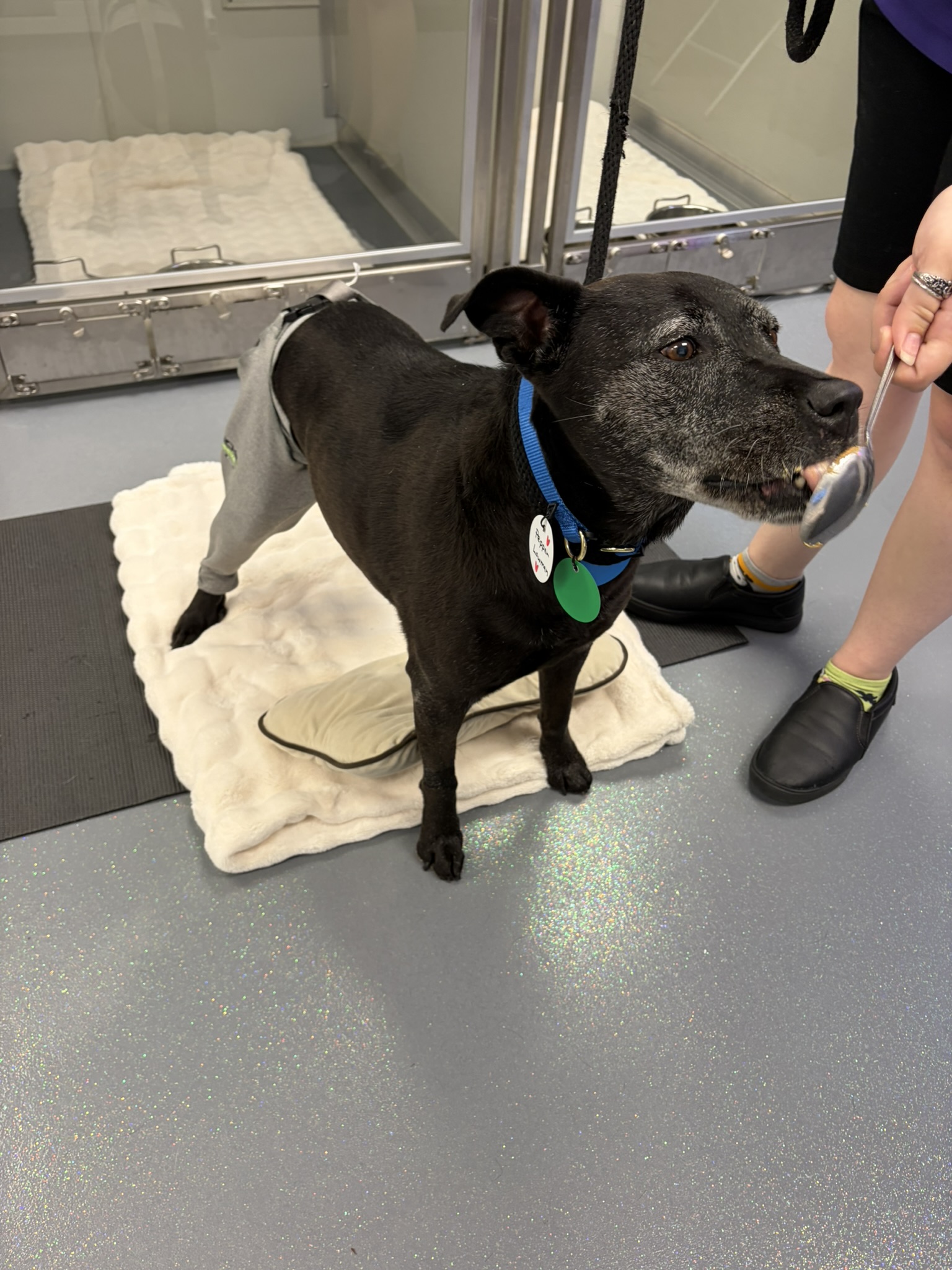
ACC+ provides structured, attentive care for medically stable dogs recovering from procedures, managing chronic conditions or requiring additional daily assistance.
Working alongside veterinarians and pet parents, our trained canine care specialists help support established care plans through:
- Prescribed medication and feeding routines, when authorized and within program capabilities
- Individualized supervision and controlled activity
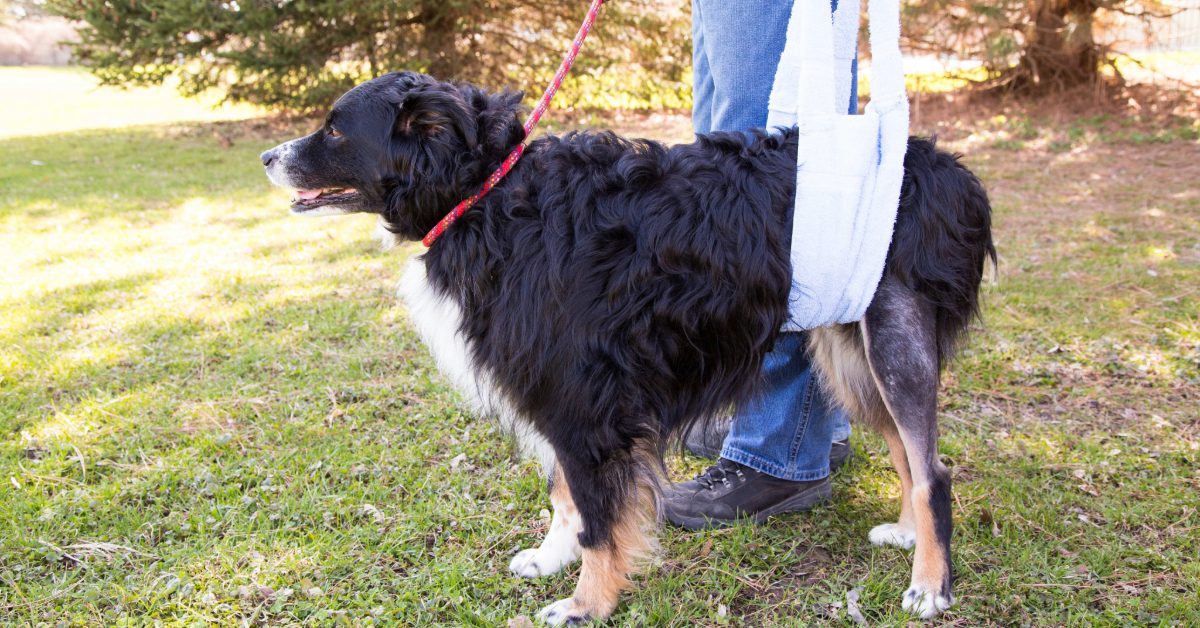
- Mobility and bathroom assistance
- Daily observations and documented updates
- Communication with pet parents and veterinary teams when concerns arise
Our calm, low-stimulation environment is designed for dogs who need more individualized attention than traditional care settings may provide.
Each dog is evaluated before acceptance to ensure their needs can be safely accommodated. ACC+ provides nonclinical support and does not replace veterinary treatment, clinical monitoring or emergency care.
For veterinarians, ACC+ offers a potential resource when a patient’s daily care requirements extend beyond what a family can consistently manage at home.
For Veterinary Professionals
Looking for additional support for patients with ongoing care needs?
ACC+ works alongside veterinary teams to provide structured, nonclinical care for eligible dogs requiring additional supervision, medication support, mobility assistance or individualized daily routines.