
One of the biggest misconceptions about senior dogs is that slowing down means they’re nearing the end. In reality, many dogs enjoy wonderful, fulfilling lives for years after entering their senior stage. The goal isn’t to stop aging, it’s to support your dog through it.
We’ve all witnessed the subtle changes in an aging dog, from the gray muzzle and slower walks to the quiet moments together relaxing on the couch. While it’s natural to notice these changes, many pet parents aren’t prepared for what aging really looks like and how to adapt. The good news? Like people, growing older isn’t an illness; it’s a new stage of life that should be embraced. With a little knowledge and planning, you can help your dog stay comfortable, engaged, and happy for years to come.
When Does a Dog Become a Senior?
The answer really depends on their size. A dog’s size and breed play a major role in how quickly they age. Your veterinarian can help determine when your dog has entered their senior years and recommend age-appropriate screenings and care.
| Dog Size | Typically Considered Senior* |
|---|---|
| Small breeds | 10–12 years |
| Medium breeds | 8–10 years |
| Large breeds | 7–8 years |
| Giant breeds | 5–6 years |
Sources: American Animal Hospital Association (AAHA) Senior Care Guidelines; American Veterinary Medical Association (AVMA).
While every dog ages differently, many begin experiencing subtle changes long before they’re considered “old.” The key as pet parents is learning to recognize those changes early.
Physical + Cognitive Changes You May Notice
Just like people, dogs experience natural physical changes as they age. You might notice the following in your pup:
- Sleeping more than usual
- A little gray around the face
- Slower walks or less enthusiasm for long adventures
- Difficulty jumping onto furniture or climbing stairs
- Weight gain or unexpected weight loss
- Changes in hearing or vision
While some of these changes are expected, they shouldn’t simply be dismissed as “old age.” Many can be managed or even improved with proper veterinary care, nutrition, medication, physical therapy, or simple lifestyle adjustments.
In addition to physical changes, you may notice that your dog’s brain is experiencing noticeable changes as well. Some senior dogs begin experiencing what’s known as Canine Cognitive Dysfunction (CCD), sometimes compared to dementia in humans.
You may notice:
- Confusion or disorientation
- Getting “stuck” in corners or behind furniture
- Restlessness at night
- Increased anxiety
- Forgetting familiar routines
- Less interest in interacting with family members
These changes can feel scary, but they don’t happen overnight. Recognizing these signs early allows you and your veterinarian to discuss ways to help your dog feel more secure and comfortable.
Mobility Changes Can Happen Gradually
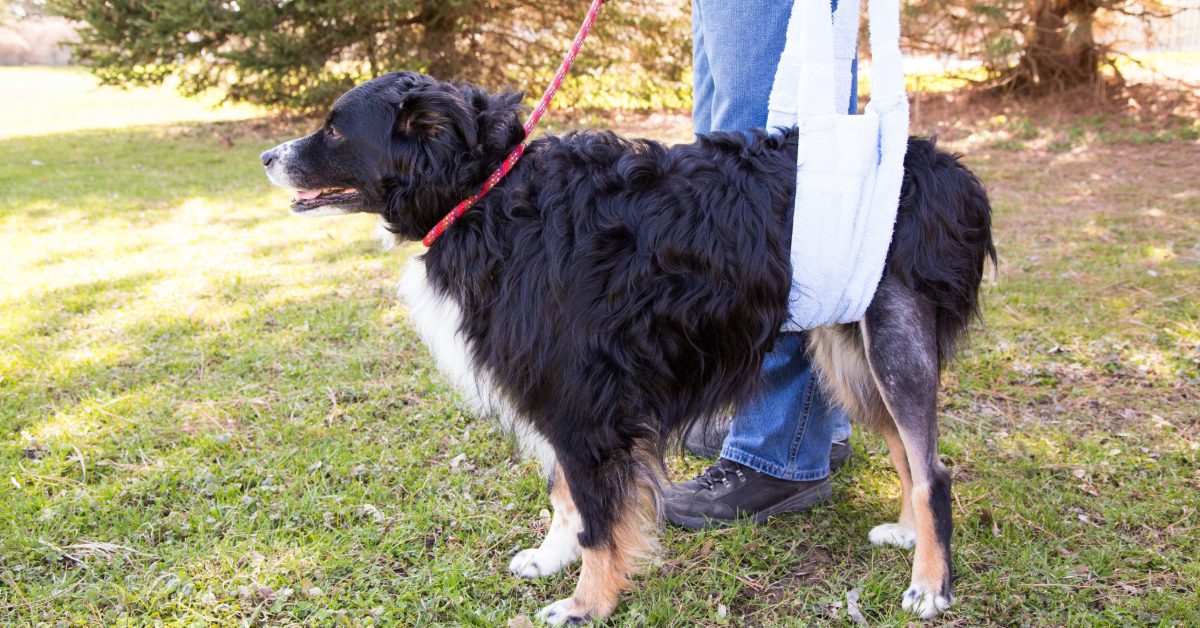
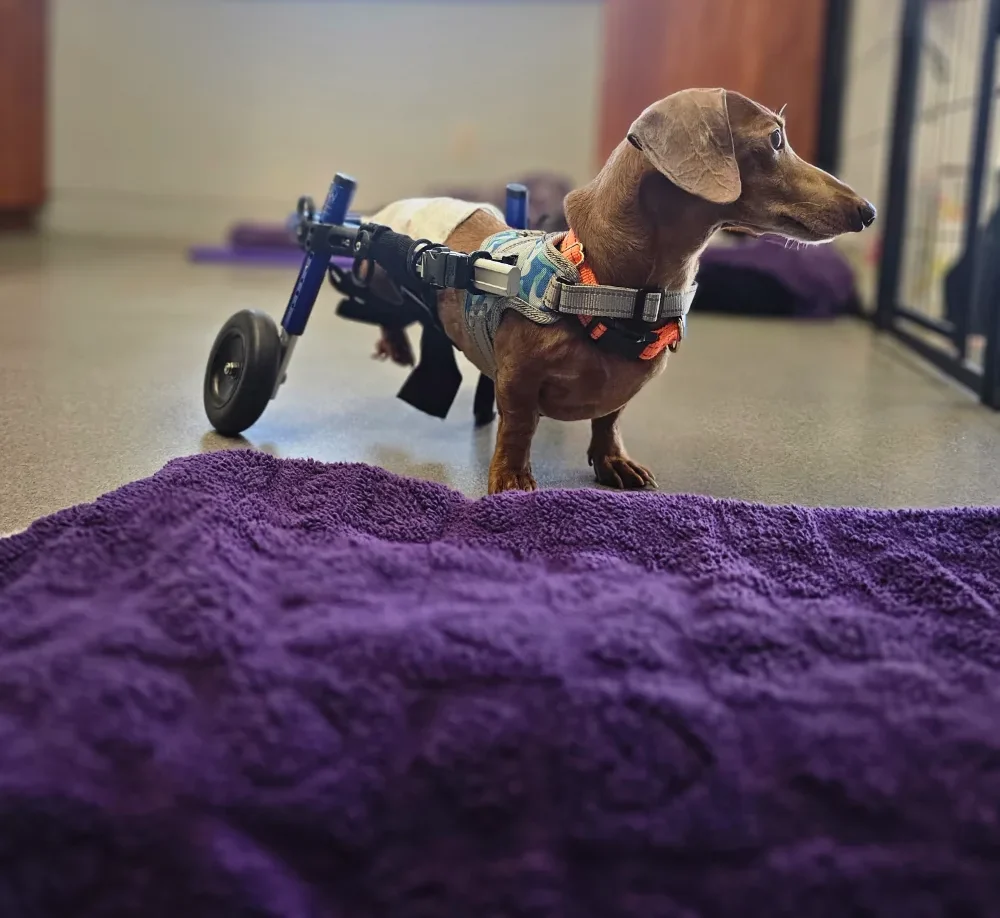
One of the biggest signs of aging you will notice in your pet is reduced mobility. This could present as your dog hesitating before getting into the car, taking a little longer to stand after a nap, or perhaps they’re choosing shorter walks instead of chasing tennis balls across the yard.
These signs can be caused by a number of things with the following being the most common:
- Arthritis
- Muscle loss
- Joint stiffness
- Chronic pain
- Neurological changes
Simple accommodations like orthopedic beds, rugs on slippery floors, ramps, and supportive exercises can make a tremendous difference in maintaining your dog’s independence and confidence.
Why Routine Matters More Than Ever
Like human children, senior dogs thrive on consistency. As hearing, vision, mobility, and cognitive function change, predictable routines help reduce stress and anxiety. If possible, try to keep their feeding times consistent, walk schedules regular, household changes to a minimum, and medication schedules organized. Small routines create a sense of security, especially for dogs experiencing cognitive decline or vision and hearing loss.
How ACC+ Supports Senior Dogs
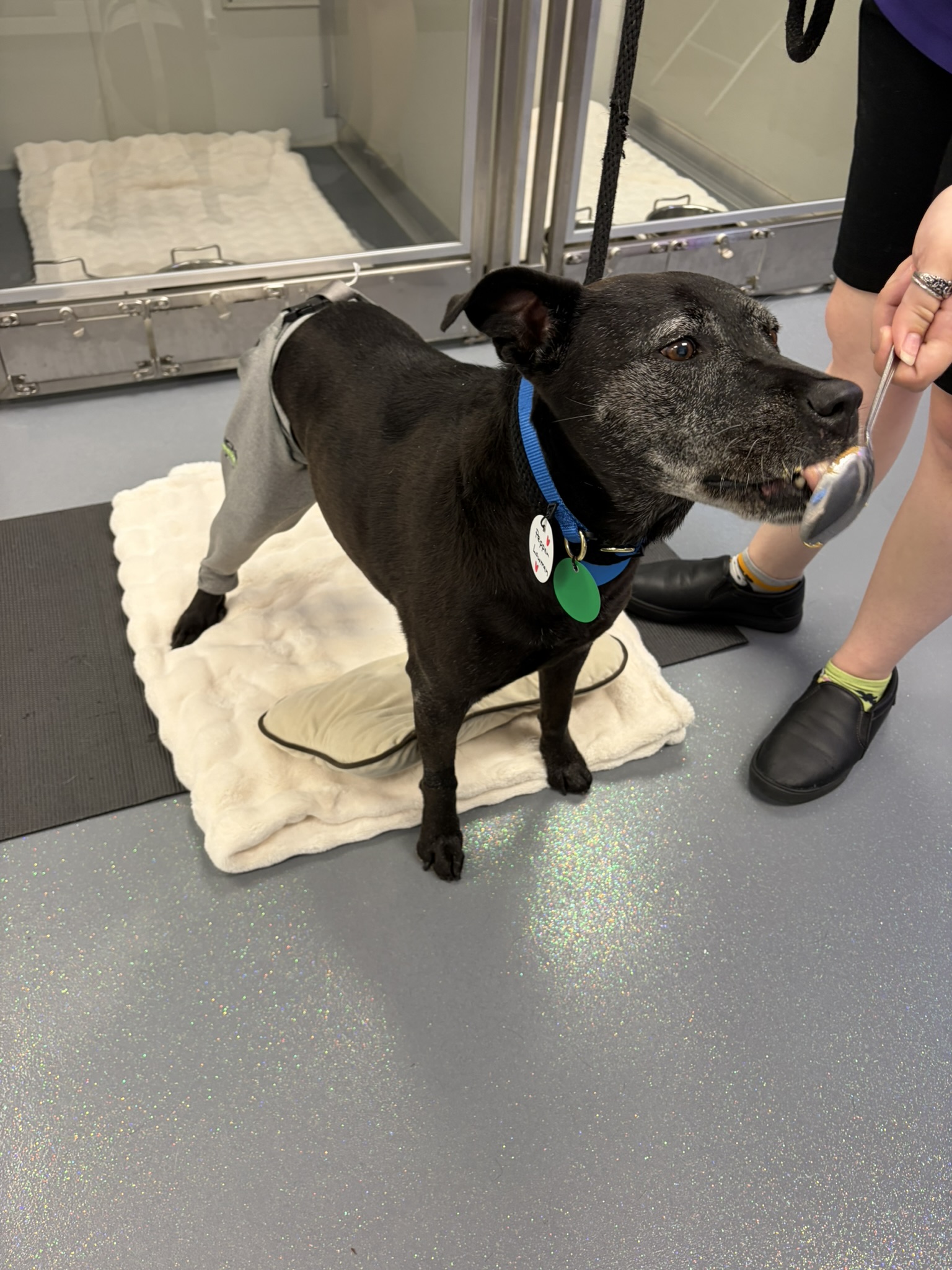
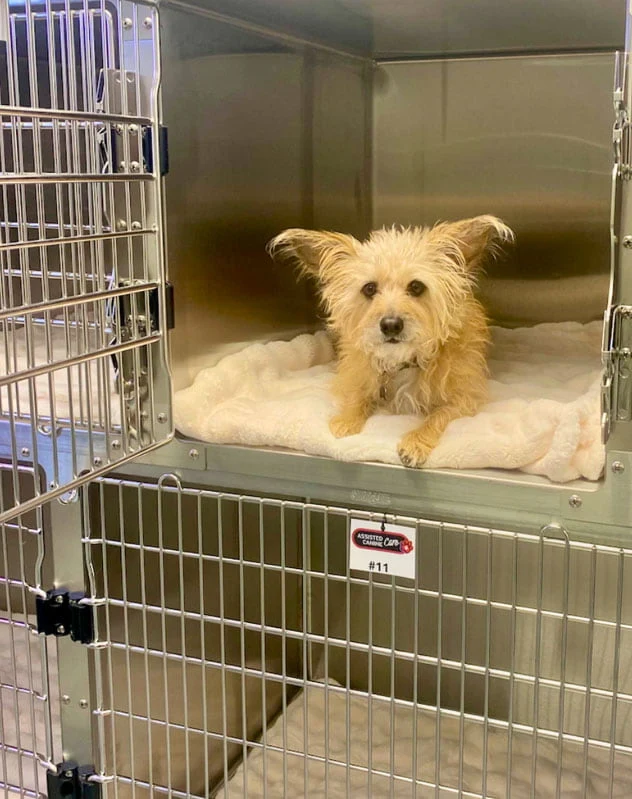
As dogs age, they often need more than traditional daycare but not necessarily hospitalization.That’s where Assisted Canine Care+ comes in. Our specialized care is designed for senior dogs and those recovering from illness or surgery, providing a calm, structured environment with personalized attention, medication support, mobility assistance, and close observation.
Feel free to contact our Assisted Canine Care+ team to learn how specialized support can help your senior dog stay comfortable, engaged, and thriving.
 .
.  .
.